
The United States of America has natural vegetation and fascinating landscapes that enrich its splendid history. Proper lake function is integral to preventing floods and droughts while preserving the ecosystem.
Since lakes cover 3.7% of the earth’s non-glaciated land area, it’s only logical to wonder which ones make it at the top of the list. Approximately 250 lakes in the United States measure 31,700 square miles or more in terms of their surface area. Lake size can be predominantly defined in two ways:
- Surface Area
- Volume
While the surface area of a lake is mostly associated with the size of the lake, volume is usually used to measure the depth of a lake. In terms of determining the size, both volume and surface area are taken into consideration.
However, these terms cannot be used interchangeably as both have very different meanings.
The surface area of a lake is important for calculating the size in different topographies. On the other hand, volume defines the water surface of the lake and its mean depth.
Specifically, we will consider surface area while creating the list of large lakes in the United States. We will also mention the volume of each simultaneously.
1. Lake Superior
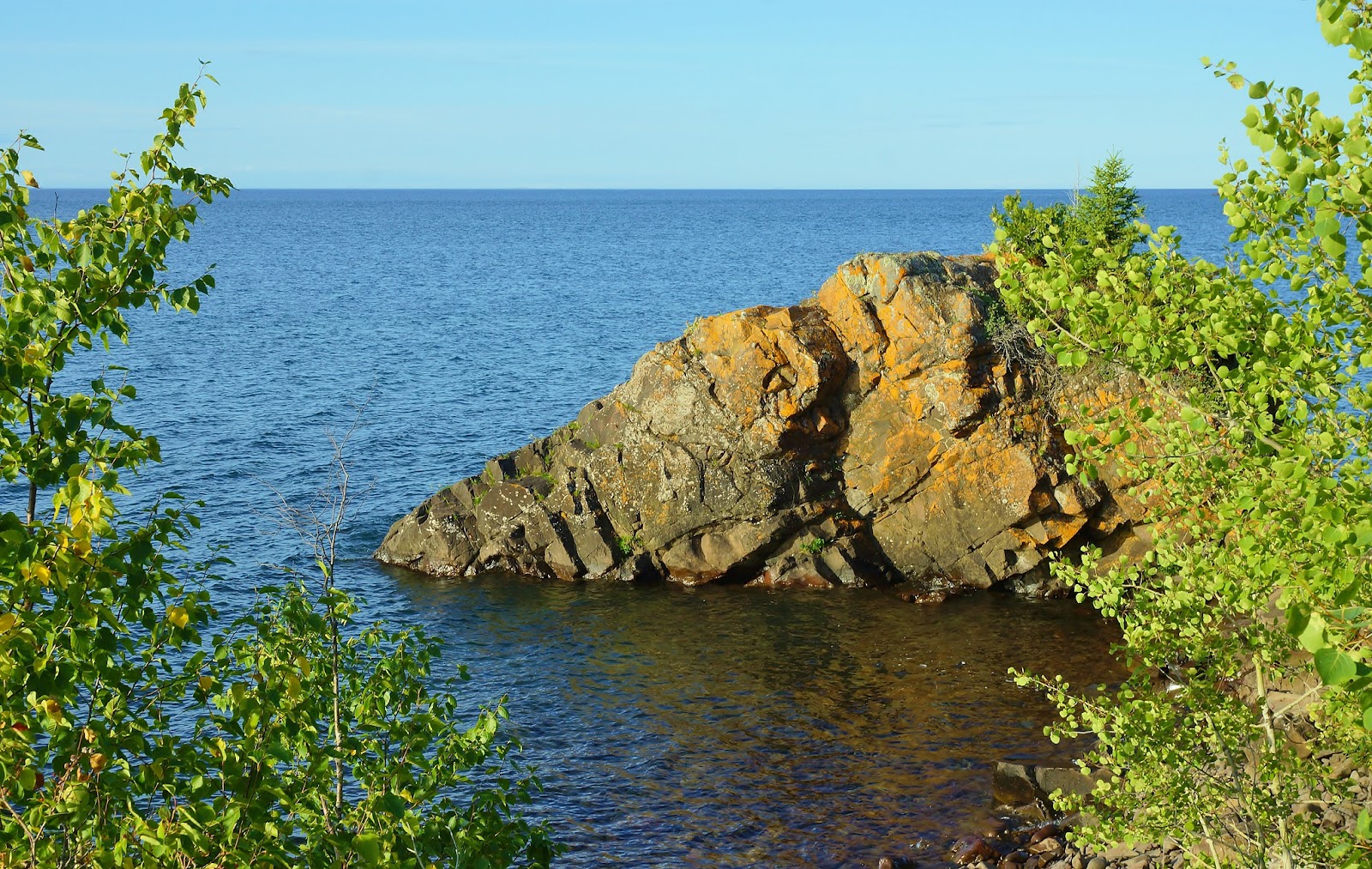
Location: Canada and The United States (Wisconsin, Michigan, and Minnesota).
Surface Area: 31,700 square miles.
Best Time To Visit: September to mid-October.
If you have watched the Great Lakes series, you probably know why Lake Superior is heading the list. As the world’s largest freshwater lake in the world, Lake Superior covers a surface area of 31,700 square miles, along with an average depth of 147 meters.
Lake Superior holds 10% of the earth’s fresh surface water and contains as much water as all the other lakes combined!
This waterbody was formed almost 1.1 to 1.2 billion years ago during the North American Mid-Continental Rift.
The volcanic activity almost split North America, creating an arc-shaped scar running from Minnesota to Lake Superior. Over the next 20 million years, lava intermittently flowed and gradually changed into a glacier the next hundred years.
The first settlers arrived in 8000 BC when the glaciers finally retreated. The diverse lake is now home to over 80 species of fish, like lake sturgeon, round whitefish, and brook trout.
Though the lake has a flourishing ecosystem, the mysterious waterbody has been prone to maritime accidents. There have been over 350 shipwrecks in Lake Superior–the most notable one being in 1975 when the SS Edmund Fitzgerald sank and killed all 27 crew members on board.
Despite its ominous circumstances, Lake Superior supports numerous sporting and tourism activities throughout the year. In fact, the Great Lakes– Superior, Michigan, Huron, Erie, and Ontario–support almost 311,000 maritime jobs from every sector.
2. Lake Huron

Location: Canada and The United States (Michigan).
Surface Area: 23,007 square miles.
Best Time to Visit: Late May to mid-September.
From Ontario in the north and east to the US state of Michigan to the west and south, Lake Huron is the third largest freshwater lake on earth. With a surface area of 23,007 square miles, the lake offers nearly 4,000 miles of shoreline and holds about 850 cubic miles of water.
Like Lake Superior, Lake Huron was formed due to the melting of the glaciers in the Ice Age. Though Lake Huron is the second largest lake in the United States, this inland lake was the first of the Great Lakes sighted by Europeans.
The name ‘Huron’ is derived from the Huron tribes that were the region’s earliest inhabitants. These five allied tribes mostly lived on the Southwestern coast of Georgian Bay, consisting of subsistence farmers, hunters, and fishermen.
Lake Huron is predominantly renowned for its pristine beaches, sand dunes, elaborate river systems, and forested areas.
Although the lake has been the primary water source for over 10 million people in the US and Canada, it is no stranger to the dark tales of the region. According to an Ojibwe legend, the water monster “Mishebeshu” resides underwater, connecting the Serpent River to Lake Huron.
Many people also call it the “shipwreck alley” because of the disastrous accidents in the deep waters. More than 1000 shipwrecks have claimed numerous lives along with the debris of the ships that lie beneath the lake’s surface.
Some wrecks have even been preserved as artifacts in the Fathom Five National Marine Park. Lake Huron is great for boating and fishing, so check the weather highlights before visiting the freshwater lake.
Read Next: The Most Beautiful Towns in the United States
3. Lake Michigan
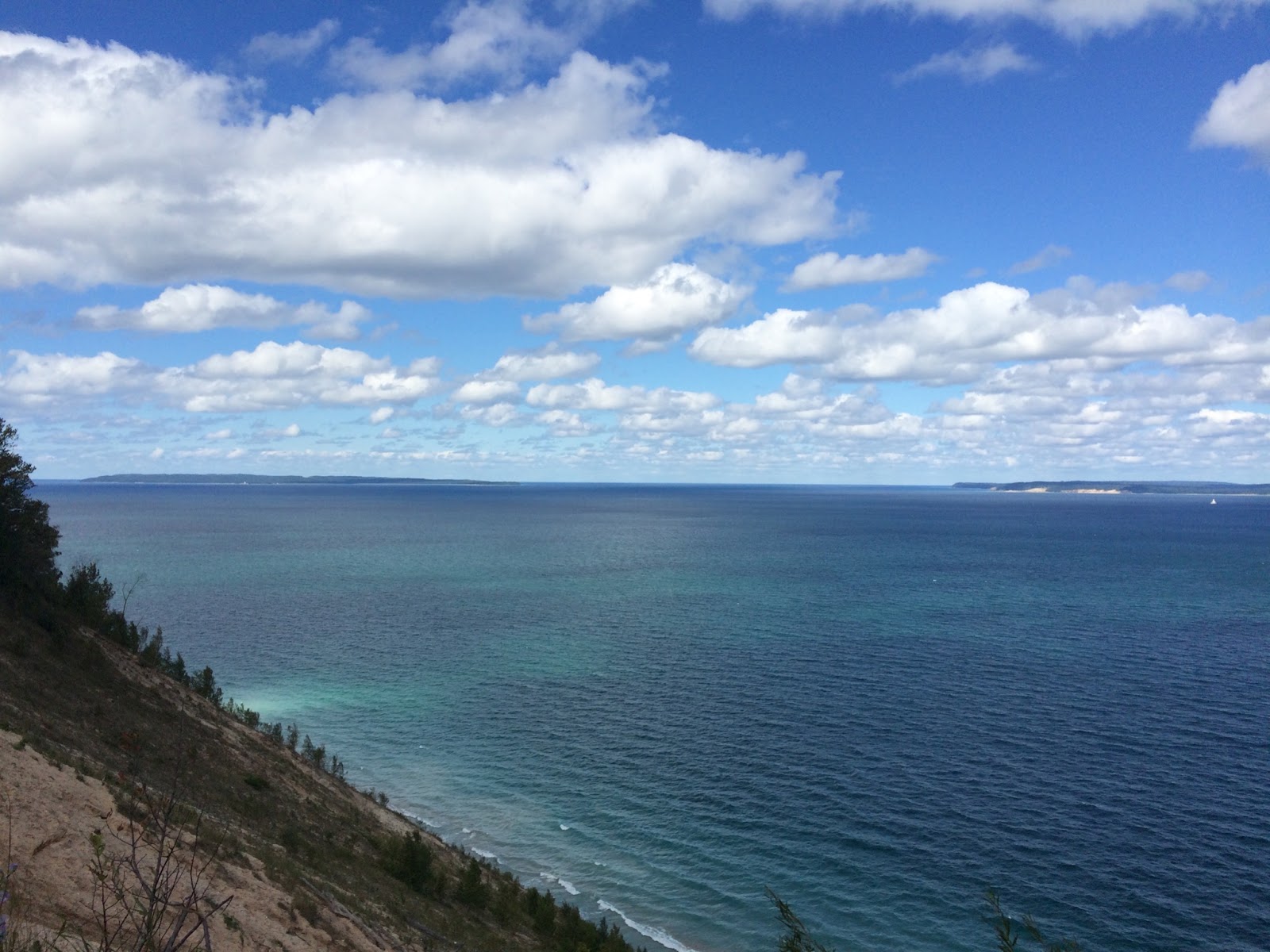
Location: Michigan, Indiana, Wisconsin, and Ilinois.
Surface Area: 22,404 square miles.
Best Time to Visit: Mid-June to mid-September.
Bordering four major states of the U.S., Lake Michigan is the third largest lake covering a surface area of 22,404 square miles. As one of the top tourist attractions, the lake is surrounded by forests, white sand beaches, and rustic towns.
Lake Michigan came to be after the historic Midcontinent Rift, which created a rift in the region and gradually paved the way to the Great Lakes. Lake Michigan was a consequence of this tectonic shift.
French explorer Jean Nicolet discovered the lake in the 17th century. French explorer Louis Jolliet later mapped out Lake Michigan to begin missionary work with French missionary Jacques Marquette.
One of the most famous tourist spots is Mackinac Island which looks like a European countryside with incredible views of the sea and the dense vegetation.
With over 1000 miles of coastline, the sparsely populated region has a lot to explore. The tourism-backed economy offers numerous recreational activities such as hiking, biking, fishing, and boating.
There are picturesque islands with fine wineries and historical spots such as the St.Joseph lighthouse that guides large boats in the downtown harbor. Explore the pretty sandy beaches, rustic towns, and hiking trails while you take your next trip to the vast lake.
Many interesting artifacts have been found at the bottom of the lake, such as a boulder with a Mastodon carving.
There are approximately 68 species in Lake Michigan, such as rainbow trout, silver carp, and lake trout. However, the lake is suffering from invasive species destroying the natural balance.
Due to climate change and toxin overload, Lake Michigan is causing severe damage to the surrounding coastlines.
Read Next: The Most Beautiful Cities in the United States
4. Lake Erie
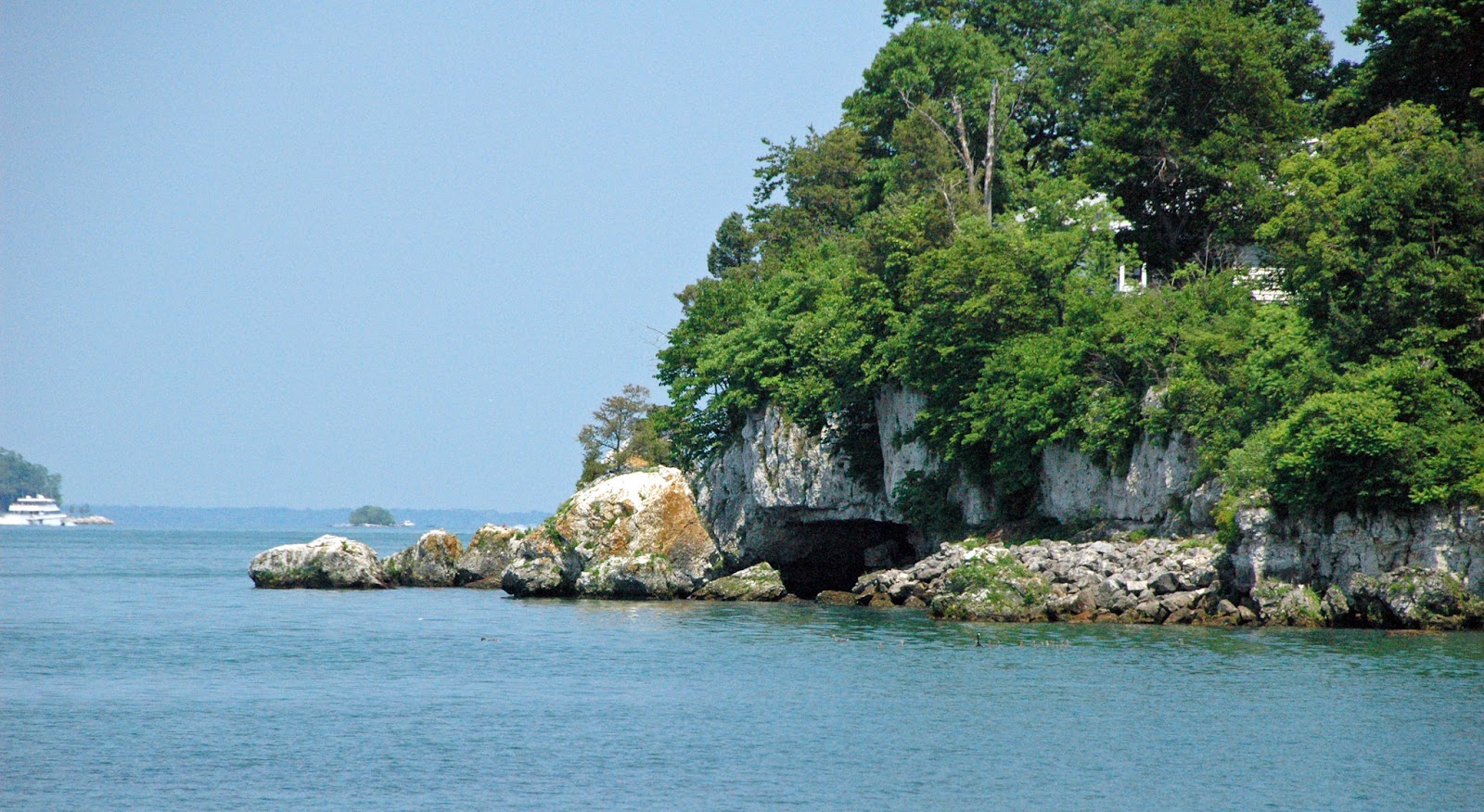
Location: Michigan, Ohio, Pennsylvania, and New York.
Surface Area: 9,990 square miles.
Best Time to Visit: Typically, July is when the temperatures are warmest.
Whilst this beautiful lake in the United States is the smallest by volume when we compare it to the other Great Lakes, it comes fourth in the surface area. In fact, Lake Erie is roughly 2,500 square miles larger than Lake Ontario, which is connected by the Niagara river.
Lake Erie has an average depth of 62 feet so it’s more likely to freeze over intermittently throughout the year.
There are more than 26 islands within the connected waterways, so it offers great scope for recreational activities like sunbathing, swimming, fishing, and splashing around in the lake.
In the wintertime, ice fishing is a mainstream activity where daring souls brave the elements to catch fish.
Lake Erie is associated with numerous Loch Ness-like legends and many have sighted a peculiar sea monster that runs amok in the lake.
The sea monster is known as Bessie and resembles a serpent-like creature with appendages running through the course of the body. The first sighting of this monster was in 1817 followed by some recent appearances in the last three decades.
Due to its eerie ambiance, the lake has witnessed around 2000 maritime accidents, out of which only 375 ships have been found. Despite being the smallest of the Great Lakes by volume, it has more shipwrecks than the other four lakes combined.
Read Next: Castles in Ohio you Must Visit
5. Lake Ontario
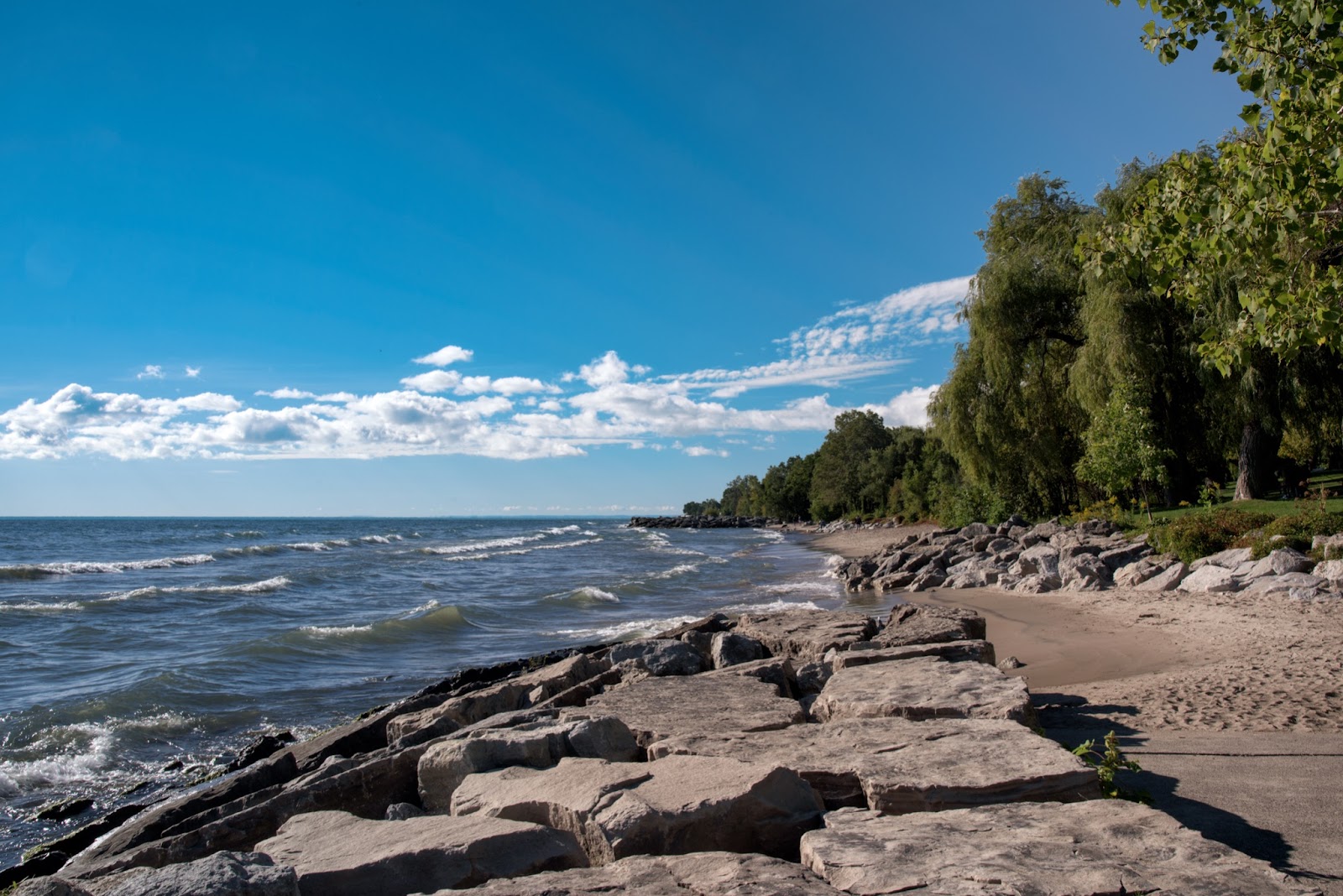
Location: Canada and The United States (New York).
Surface Area: 7,340 square miles.
Best Time to Visit: May-October.
As the smallest of the Great Lakes, Lake Ontario is the only waterbody where two places meet in the middle. Interestingly, the lake was never named after a province, but it comes from the indigenous word, “the lake of shining waters.”
Lake Ontario’s shores were home to the original inhabitants of the region–Iroquois–for thousands of years before the French explorers arrived in the area.
Unlike the turquoise blue waters of the other lakes, the waters of Lake Ontario are white. This is due to the high amounts of calcium carbonate deposits found in the water.
With 700 miles of shoreline, numerous fishing opportunities and activities exist.
Depending on the season, you can explore Niagara Falls, hike along the forests, wetlands, and rocky cliffs or try your hand at fishing in the shallow waters.
Since the lake is so deep, it rarely freezes in winter. Overall, Lake Ontario provides drinking water to 9 million people.
The diversity of habitats in the region offers a home to different species. The pristine lake is home to various ecological systems that form the basis of a segregated coastal environment. This lake provides a home to resident birds as well as migratory birds that flock to the region.
Read Next: Most Beautiful Places to Visit in New York City
6. Great Salt Lake

Location: Utah.
Surface Area: 2,117 square miles.
Best Time to Visit: April-May and September-October.
The Great Salt Lake is the largest saltwater lake in the western hemisphere, covering a surface area of 950 square miles. Unlike other lakes in the western hemisphere like Lake Havasu, the Great Salt Lake has its own basin where no water flows out.
Tributary rivers constantly bring in small amounts of salt where the water evaporates, leaving the salt behind. Great Salt Lake is the remnant of an ancient lake called Lake Bonneville that dramatically rose 30,000 years ago.
The traces of the lake can be found along the landscape of the former lake’s shorelines. The first European reports of the lake were made in 1703 when Baron Lohanton claimed to have spotted the large salt lake.
The Great Lake lives up to its notorious name “The Dead Sea of America.” The water of the lake is, unfortunately too saline, so fish and other aquatic species can’t survive.
Among other things, The Great Lake is also home to several migrating shorebirds and the protected pelican rookery. Due to its high salt levels, algae and brine shrimp thrive in the lake water.
Several beaches along the lake’s shorelines offer plenty of recreational activities. The major islands bordering the lake include Antelope, Stansbury, and Fremont according to the Utah Geological Survey. Due to the lake’s salinity, most people can easily float in water, especially in Gunnison Bay.
If you’re heading to Utah don’t miss my article on the best things to do in Park City.
7. Lake Oahe
Location: North and South Dakota.
Surface Area: 685 square miles.
Best Time to Visit: May-September.
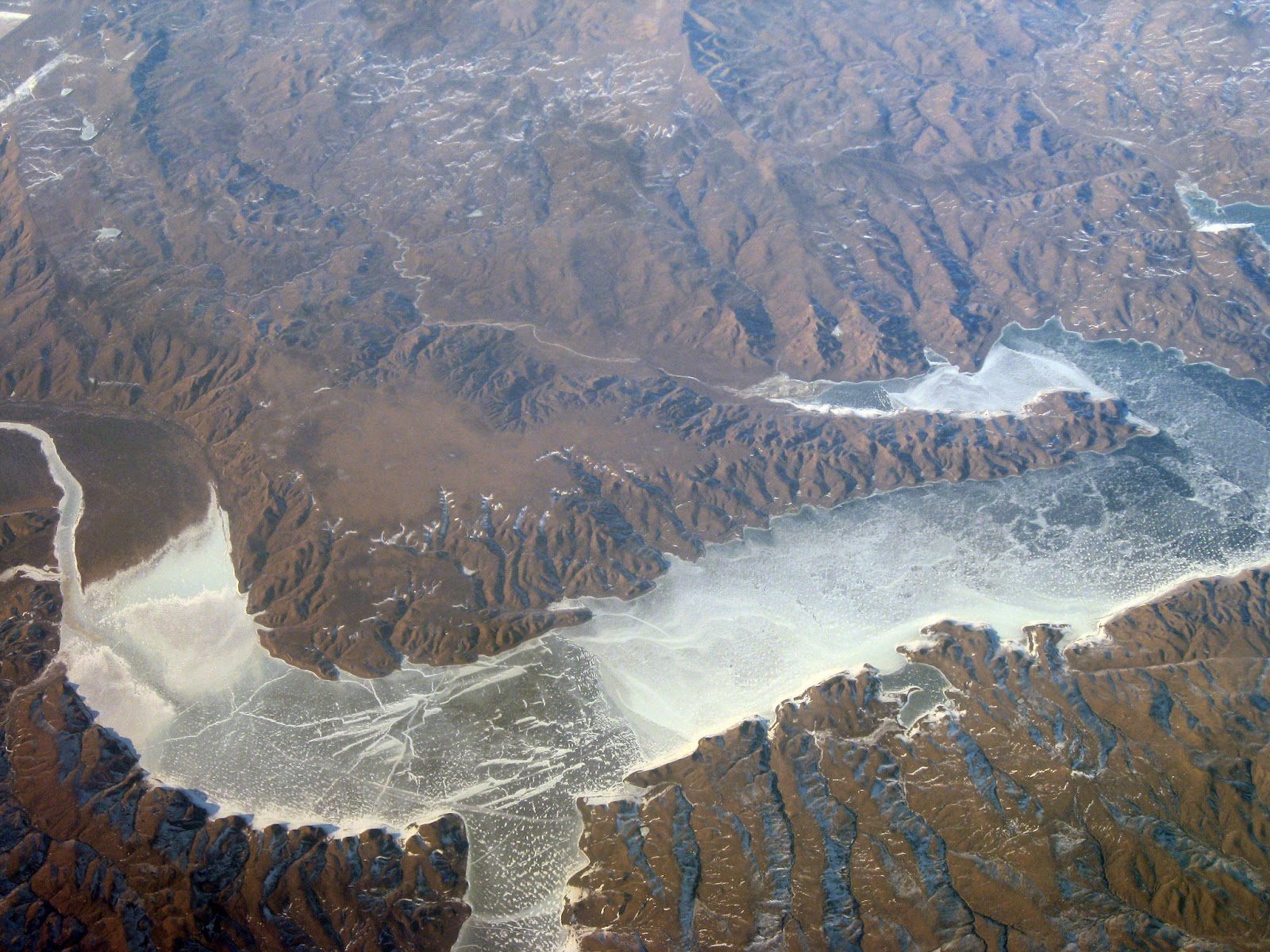
Lake Oahe is the 4th largest manmade reservoir in the United States. Simultaneously, the surface area is 685 square miles, taking the ninth spot on this list. Lake Oahe is situated behind Oahe Dame on the Missouri river basin.
The Flood Control Act authorized the Oahe Dam, built in 1946 and 1966. It took four years for the water level to reach the “minimum operating pool” to allow power generation.
The man-made lake is mainly used as a storage reservoir for many purposes, such as irrigation, recreation, and hydroelectric power generation.
Approximately 1.5 million people visit the lake yearly to explore its depths and indulge in recreational activities such as fishing, hunting, boating, water skiing, bird watching, and hiking.
Due to the extensive recreation activities, there have been sightings of people swimming and spearfishing in the raging water, which can be rather dangerous near the dam.
Read Next: Most Beautiful Lakes in the United States
8. Lake Okeechobee

Location: Florida.
Surface Area: 662 square miles.
Best Time to Visit: November to June.
Lastly, Lake Okeechobee is Florida’s largest lake. Although the surface area of Lake Okeechobee spans 662 square miles, it is still quite large compared to the other lakes in the United States.
Both natural processes and human development mar the history of the inland lake.
The origins of the lake date back 6,000 years ago, according to the information published on the Florida state website. The earliest recorded people to have inhabited the area around the lake were known as the Calusa, who were the native Americans of the region.
Specifically, the word Okeechobee comes from the Hitchiti words Oki and chobi, which translate to ‘big water,’ and was coined by the western tribe of the same name. However, it is known as Lake Mayaimi by the region’s original settlers.
As the remnant of the prehistoric Pamlico sea, the lake bears a shoreline of 135 miles covering small islands.
The lake provides a natural habitat for fishes, birds, and other wildlife that take refuge in its waters. It is also a hotspot for many sports and recreational activities.
You might enjoy reading my post on Arizona Lakes.

Amanda O’Brien is the creator and editor of The Boutique Adventurer. She has visited 80 countries and is a member of the British Guild of Travel Writers as well as the IFTWTA. She is passionate about wine had has just completed Level 3 of the WSET. Born in Australia, she lives in London.